
Home Stoners
Home Stoners
Understanding the Basics of Cannabis Cultivation
Grow Lights
Why Grow Lights Matter
Light is the most critical factor in indoor cannabis cultivation. Without adequate intensity and spectrum, plants will stretch, weaken, and produce poor yields (ILGM, 2023).
LED Grow Lights
-
Energy-efficient and long-lasting
-
Produce minimal heat
-
Available in full-spectrum designs that mimic sunlight
-
Ideal for beginners and professionals alike
HID Lights (MH & HPS)
-
High light intensity suitable for large grows
-
Metal Halide (MH) supports vegetative growth
-
High-Pressure Sodium (HPS) enhances flowering
-
Require strong ventilation due to heat output


Fluorescent Lights
-
Best for seedlings and clones
-
Low heat and low intensity
-
Not ideal for flowering stages
LED grow lights are currently the most popular choice due to efficiency, longevity, and ease of use
Growing Medium
The growing medium anchors the plant’s roots and influences water retention, oxygen availability, and nutrient uptake.
Soil
-
Beginner-friendly and forgiving
-
Contains beneficial microbes
-
Requires monitoring of pH and nutrient levels
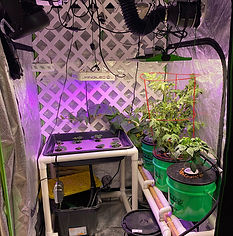
Coco Coir
-
Made from coconut husks
-
Excellent moisture retention and aeration
-
Requires supplemental nutrients
Hydroponic Systems
-
Plants grow in nutrient-rich water
-
Faster growth and higher yields
-
Requires advanced monitoring and equipment
Soil and coco coir are recommended for new growers, while hydroponics suits experienced cultivators
Nutrients and Supplements
Cannabis plants require both macronutrients and micronutrients throughout their lifecycle.
Primary Nutrients (NPK)
-
Nitrogen (N): Leaf and stem growth
-
Phosphorus (P): Root development and flowering
-
Potassium (K): Disease resistance and overall health
Additional Supplements
-
Calcium & Magnesium: Cell structure and enzyme activation
-
Micronutrients: Iron, zinc, and manganese support metabolic functions
Cannabis-specific nutrient formulas are recommended to avoid deficiencies and nutrient burn


Additional Supplements
-
Calcium & Magnesium: Cell structure and enzyme activation
-
Micronutrients: Iron, zinc, and manganese support metabolic functions
Cannabis-specific nutrient formulas are recommended to avoid deficiencies and nutrient burn

Ventilation and Airflow
Why Airflow Is Essential
Proper ventilation regulates temperature, reduces humidity, and strengthens plant stems. Poor airflow increases the risk of mold, mildew, and pests
Key Ventilation Equipment
-
Exhaust Fans: Remove hot, stale air
-
Oscillating Fans: Circulate air inside the grow space
-
Carbon Filters: Control odors and improve air quality

Temperature and Humidity Control
Cannabis grows best within specific climate ranges depending on growth stage:
Growth Stage
Temperature
Humidity
Seedling
70–75°F
65–70%
Vegetative
70–85°F
40–70%
Flowering
65–80°F
40–50%
Climate Control Tools
-
Thermometers & hygrometers
-
Humidifiers & dehumidifiers
-
Heaters or portable AC units
Stable environmental conditions lead to healthier plants and higher-quality buds


Watering Systems

Proper watering prevents root rot, nutrient lockout, and stress.
Watering Options:
-
Hand Watering: Best for small grows
-
Drip Irrigation: Efficient and consistent
-
Hydroponic Delivery Systems: Automated nutrient delivery
Maintaining proper pH (6.0–6.8 for soil) ensures optimal nutrient absorption
Pest Control
Pests can severely damage cannabis crops if not addressed early.
Effective Pest Control Strategies
-
Keep the grow area clean
-
Monitor plants regularly
-
Use sticky traps
-
Apply neem oil or insecticidal soap
-
Introduce beneficial insects when appropriate
Preventive pest management is more effective than reactive treatment
Harvesting Tools
Harvesting at the right time with the right tools preserves potency and quality.
Essential Harvest Tools
-
Pruning Shears: Clean, precise cuts
-
Drying Racks: Prevent mold during curing
-
Trimming Machines: Useful for larger operations
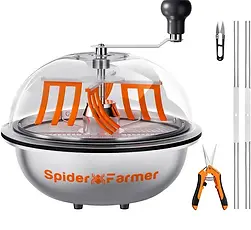
High-quality tools improve efficiency and consistency
Conclusion
Successful cannabis cultivation depends on combining knowledge with the right equipment. From lighting and nutrients to airflow and climate control, every component plays a vital role in plant health and yield.
By investing in proper tools and continuing to learn, growers can produce consistent, high-quality harvests. With patience and attention to detail, impressive results are well within reach.