
Home Stoners
Home Stoners

Pneumatic Rosin Presses
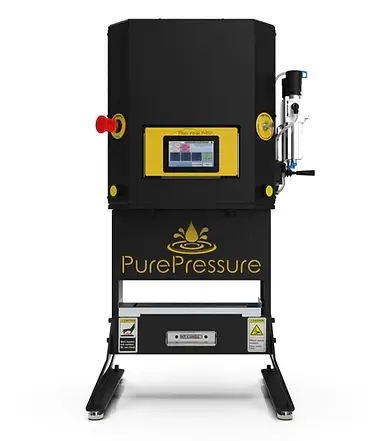
What Is a Pneumatic Rosin Press?
A pneumatic rosin press is a high-performance solventless extraction machine that uses compressed air (pneumatic power) to generate pressure between heated platens to squeeze rosin from cannabis flower, hash, or kief. The pressurization comes from pneumatic cylinders powered by an external air compressor, rather than by manual force or hydraulic fluid. Pneumatic presses are often the preferred choice for commercial operations because they deliver consistent pressure with minimal physical effort, making them great for batch processing at scale.
How Pneumatic Rosin Presses Work
-
Material Prep: Cannabis or other input is placed in specialty mesh rosin bags and sandwiched between parchment paper.
-
Heated Platens: Two heated aluminum plates warm the material to a target temperature (often between ~160–220°F, depending on the material).
-
Pneumatic Pressure: An air compressor supplies pressurized air to pneumatic cylinders, which force the platens together with uniform and adjustable pressure.
-
Extraction & Collection: Heat + pressure ruptures trichomes and forces rosin out onto the parchment for collection.
Unlike hydraulic presses, pneumatic systems are generally oil-free and cleaner, and because the force is driven by air, they can be highly automated and precise when paired with digital controls.
Advantages of Pneumatic Presses
1. Highly Consistent & Automated
Many pneumatic presses have programmable controls with software/touchscreens to store heat, pressure, and time profiles for repeatable results.
2. Minimal Physical Effort
Once connected to an air compressor, pneumatic presses apply force automatically—no hand-pumping or manual input needed.
3. Great for Commercial Use
Pneumatic presses are designed to handle larger volumes and frequent use without user fatigue, making them excellent for operations that need batch consistency.
4. Clean & Oil-Free Mechanism
Pneumatic systems are typically oil-free, reducing the risk of contamination and lowering maintenance compared to hydraulic alternatives.
Disadvantages
1. Cost & Equipment Needs
These presses require a strong external air compressor, which adds to the total cost and setup complexity.
2. Noise & Size
Air compressors can be loud and bulky, which may be inconvenient in small workspaces.
3. Less Portable
Unlike small manual presses, pneumatic machines are usually heavier and less portable, intended to stay in one spot.
When to Use a Pneumatic Rosin Press
Best for users with these needs:
-
Commercial extraction or high-volume rosin production
-
Desire for automated / programmable temperature & pressure control
-
Consistent, repeatable extraction without manual effort
-
Preference for robust machinery with long uptime and high precision
Not ideal for:
-
Very small batches or occasional hobby use
-
Users who don’t want (or can’t accommodate) an air compressor setup